







Listen...
Financial Planning: Build Personal Wealth Beyond Your Business with Randall Avery
🔥 Excerpt
“The goal is always to be independently wealthy from your business.”
⚡ TL;DR
Financial planning gives business owners a way to build personal security while continuing to invest in their companies. Randall Avery explains how consistent retirement contributions, clearly defined goals, disciplined financial habits, and relationship centered leadership can support long term wealth. Business owners can prepare for future transitions without depending entirely on a business sale.
📄 Show Notes
Financial planning can become an afterthought when every dollar seems to have a job inside the business. Payroll is approaching, a new opportunity needs funding, and the next stage of growth requires another investment. Personal wealth keeps getting pushed forward, often with the assumption that one successful deal will eventually make everything work.
Randall Avery, CFP®, CFA, principal of Deasil Wealth Management, works with business owners to bring their personal financial goals into the decisions they make every day. His perspective is shaped by years in corporate finance, internal audit, and investment analysis, along with the experience of building his own advisory firm.
What does financial independence look like for a business owner?
Before leaving corporate finance, Randall saved three years of living expenses and paid off his debt. That preparation gave him room to build his business without feeling compelled to compromise his professional judgment for immediate income.
Every entrepreneur has different circumstances, and he does not present his preparation as a requirement for everyone. The essential work begins with understanding personal obligations, identifying financial pressure points, and deciding what level of security makes a calculated risk manageable.
How do financial goals become daily decisions?
A financial plan begins with questions that reach beyond revenue targets. Why did you start the business? What does success need to provide for you and your family? What impact do you want your work to make?
Randall helps clients articulate their goals, write them down, and translate them into practical actions. Returning to those goals can provide direction during difficult periods, when a client leaves, cash flow tightens, or the effort begins to feel unsustainable. Those goals can also change as the owner’s circumstances and priorities evolve.
How can entrepreneurs develop stronger financial discipline?
Financial discipline begins with treating revenue, profit, and personal financial stability as meaningful measures of progress. They do not have to be the only measures, but a business needs financial strength to support its employees, serve its customers, and sustain its wider impact.
Randall encourages regular conversations about income, expenses, and results. The purpose is to make financial review a familiar habit rather than something owners do only when a problem appears. Understanding the numbers consistently helps them make deliberate choices about reinvestment, saving, and household needs.
Why should personal wealth grow alongside the business?
Business revenue can create the impression of financial progress while the owner’s personal security remains uncertain. Randall encourages owners to build assets outside the company rather than waiting until they have achieved every business goal.
Regular contributions to retirement accounts, including a solo 401(k), SEP IRA, or SIMPLE IRA when appropriate, can help business owners build assets over time. The objective is to develop personal wealth that supports future choices. A potential business sale may provide value, but its timing and proceeds are uncertain foundations for retirement.
How does personal financial security affect business leadership?
Financial security can change the decisions an owner feels able to make. It can create room to delegate, develop employees, and consider a different role without holding tightly to every responsibility or opportunity.
Randall emphasizes that owners can grow with their companies by developing new skills, but they do not have to remain in the same position indefinitely. Building personal wealth creates more freedom to assess where they contribute most and how they want their involvement to evolve.
Why are relationships and trust central to service-based businesses?
Technical expertise matters, but clients also need confidence in the person providing the service. Randall describes trust as the currency of business: people want to know who they can rely on and who can credibly vouch for the work.
Building those relationships requires time, attention, and financial resources. Branding and visibility may introduce a business, but consistent service and thoughtful interactions give people a reason to stay, recommend it, and deepen the relationship.
How can owners attract and develop a team that clients trust?
Finding good people does not have to begin with a vacancy. Randall encourages owners to notice capable people in everyday interactions, maintain those connections, and develop a clear explanation of why their business would be worth joining. Talented candidates need a credible reason to make the move.
Once people join, development should extend beyond technical responsibilities. Randall describes helping a therapist consider whether she was teaching her team the relationship-building activities that established her practice.
Employees may need guidance in making introductions, nurturing referrals, representing the firm, and recognizing opportunities.
That investment takes time, including time that may not be directly billable. It also helps the business earn trust through more than one person, reducing its dependence on the founder.
Where can AI improve efficiency without weakening client relationships?
Randall sees a useful role for AI in routine work such as drafting materials, summarizing notes, and organizing information. These tools can reduce administrative effort while leaving more time for work that needs personal attention.
Sensitive conversations, thoughtful gestures, and important client interactions still require care and judgment. A repeatable review process helps ensure that AI-assisted work reflects the situation and the person receiving it, rather than becoming a quick copy-and-paste exercise.
He applies a similar distinction to financial planning. Technology can help people learn and complete some tasks independently. An advisor can add value when clients want help coordinating business income, retirement plans, family responsibilities, and personal goals, or prefer to delegate the ongoing work.
When should an owner begin preparing for a business transition?
Exit planning begins before an owner feels ready to leave. Someone who enjoys the business today may later want fewer responsibilities, or a health issue or family need may require a change sooner than expected.
Consistent investing, team development, and a clearer understanding of the owner’s future role can create more options. Those options might include remaining CEO, focusing on selected projects, becoming an advisor, or stepping away. The aim is to avoid reaching a transition with a business sale as the only workable financial solution.
What does a sustainable future require beyond financial preparation?
Randall encourages owners to build habits that support their finances, relationships, health, and personal wellbeing. A business can absorb nearly all the attention available unless other priorities receive deliberate care.
He also makes room for a less obvious discipline: planning for enjoyment. Owners can apply the same attention they give their companies to family, personal interests, rest, and experiences they value. A sustainable financial plan should support a full life, not simply keep the business operating.
✅ Key Takeaways
- Business growth and personal wealth-building need separate attention.
- Incorporate financial planning into the business to build personal wealth.
- Write down your goals and connect them to practical actions.
- Understand household obligations when preparing for entrepreneurship.
- Treat personal financial security as one measure of business success.
- Explore retirement arrangements suited to your circumstances and business structure.
- Avoid making an eventual business sale your only retirement plan.
- Prepare for changes in health, family needs, energy, and priorities.
- Develop team members who can build and maintain client relationships.
- Use technology thoughtfully without neglecting personal attention.
- Create routines for finances, relationships, wellbeing, and enjoyment.
👑 Host Info
Rick Meekins (https://rickmeekins.com) is a serial entrepreneur, strategic business disruption advisor, podcast guest, and host of The Relentless Pursuit of Winning Podcast, where he explores what it actually takes to build, lead, and sustain meaningful businesses. With over 30 years of experience working alongside founders and leadership teams, Rick focuses on helping companies develop and implement disruptive advantages and developing platforms to explore and distribute human insight.
Interested in working together, having Rick speak, or partnering with the show?
Start here: https://rpowpodcast.com/contact/
🧭 Chapters
01:32 From corporate finance to wealth management
04:37 Preparing financially for entrepreneurship
07:51 Managing cash flow and personal obligations
09:53 Defining success and personal financial goals
14:43 Profit, impact, and financial responsibility
18:15 Building a relationship driven business
19:37 Developing trust across a growing team
27:08 Preparing for an eventual business exit
29:08 Building wealth through consistent investing
31:05 Financial security and business decisions
33:20 Using AI while protecting human connection
37:24 The value of professional financial guidance
39:44 Habits, personal well being, and sustained growth
40:47 Making room for enjoyment in a structured life
#FinancialPlanning #WealthBuilding #BusinessOwners #RetirementPlanning #RPOWPodcast #RelentlessPursuitOfWinning
Biography
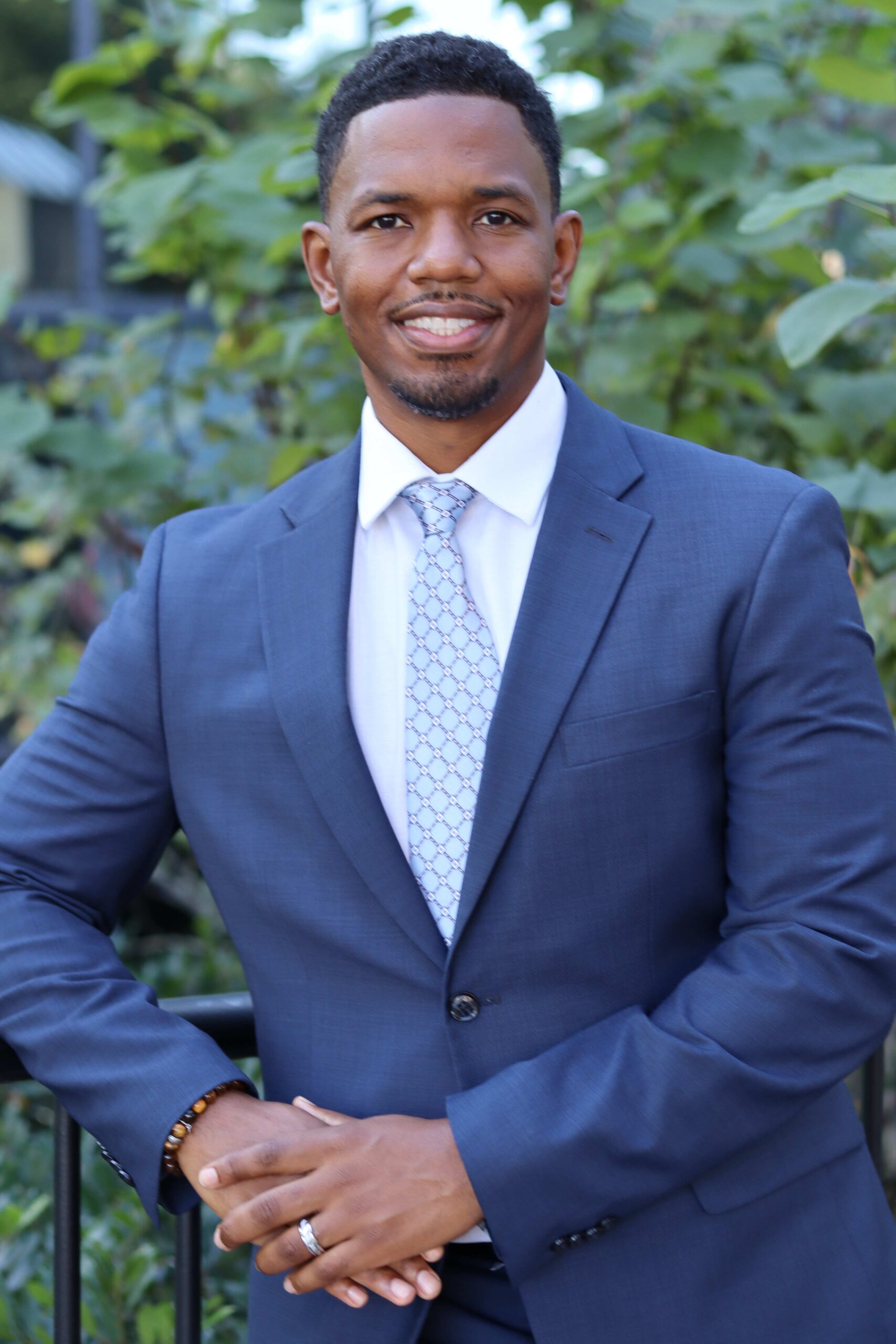
Randall Avery, CFP®, CFA, is the principal and owner of Deasil Wealth Management, an advisory firm based in Atlanta, Georgia. With over 15 years of experience in finance, accounting, and investment analysis, he specializes in helping individuals and families achieve financial independence through strategic planning and personalized asset management.
Before founding Deasil Wealth Management, Randall held senior financial roles where he led budgeting, forecasting, and financial analysis for multi-million-dollar initiatives. Today, he’s committed to helping individuals and practice owners build clarity, confidence, and long-term financial stability in their lives.
Other Information

Book – Get Your Copy on Amazon
Get the Book
Other episodes...