




Listen...
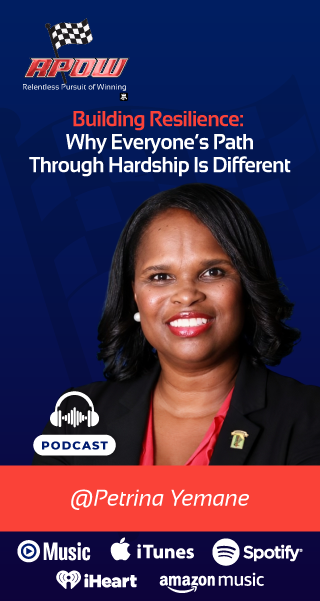
Building Resilience: Why Everyone’s Path Through Hardship Is Different
🔥 Excerpt
“It’s actually a whole process of resilience. It’s not just being knocked down, get back up. It’s a whole way of living.”
⚡ TL;DR
Dr. Petrina Yemane’s research into resilience during the COVID 19 pandemic led her to identify both a process through which people naturally move during hardship and an eight step pathway that can help people become more intentional about how they respond. Her work brings together reflection, resources, perspective, coping, routine, reassessment, problem solving, spirituality, and connection.
📄 Show Notes
There are moments when life changes faster than we can process it. A business owner receives news that affects the company. A family suddenly has to adjust to circumstances nobody planned for. A leader walks into work carrying a personal problem that nobody else can see. The responsibility remains, even when clarity does not.
Those moments raise a practical question: how do we actually move through hardship?
Dr. Petrina Yemane has spent more than 25 years working in mental health and researching human behavior, including her doctoral research on resilience during the COVID 19 pandemic. Her work presents resilience as a process that can be understood through the way people respond, reflect, cope, adapt, and continue moving forward.
That perspective gives resilience a practical framework. It creates language for the space between experiencing a problem and finding a way forward, including the personal resources people draw upon when circumstances become difficult.
What does healthy resilience actually look like?
Resilience is often associated with getting knocked down and getting back up. Dr. Yemane describes something broader: resilience is a whole process and a way of living. People access that process differently, depending on their circumstances and the resources they naturally draw upon.
Why do people respond to hardship differently?
Dr. Yemane identifies five factors within the resilience process. These include hardships explained, strategic view, self-care, strengths and coping, and survival and recovery. People use all five, although certain approaches may be more natural for an individual. Someone may immediately look for a solution, another person may need to talk through what happened, and another may begin with self-care.
What happens between the problem and the solution?
The space between a problem and its resolution contains important information. Dr. Yemane’s resilience pathway begins with reflection, bringing clarity to what happened, evaluating the situation, and developing a larger view of the problem. From there, people can begin identifying what might work and what direction they need to take.
How can people become more intentional about resilience?
Dr. Yemane describes an eight step pathway of resilience that provides a way to recognize what is happening during difficult periods and develop greater awareness of the process. She also describes the possibility of practicing these steps intentionally, creating familiarity with the process before another difficult circumstance arrives.
What role do coping and other people’s stories play?
Coping can involve finding sources of encouragement, learning from other people’s experiences, connecting with stories, and using practices that help a person remain grounded while moving toward action. Dr. Yemane describes this as one point where people access resilience and begin building themselves toward implementation.
Where does spirituality fit into resilience?
Dr. Yemane describes four dimensions of a person: emotional, mental, physical, and spiritual. Her understanding of spirituality extends beyond religion and includes questions of personal morals, fairness, justice, and what an individual believes is right.
What does resilience mean for leaders?
Leadership requires communication, vision, accountability, integrity, empathy, and continued problem solving. Dr. Yemane connects resilience with the ability to continue pursuing meaningful work through difficult circumstances, including the willingness to speak with someone and access support when the weight of leadership becomes difficult to carry.
Her perspective ultimately connects resilience with purpose and gratitude. For someone pursuing a difficult goal, remembering why the work matters and recognizing what there is to be grateful for can become part of the internal resources that sustain continued effort.
This version keeps the question based structure and practical progression you want, while avoiding the generic podcast recap style and keeping the narrative grounded in Dr. Yemane’s actual framework.
✅ Key Takeaways
- Resilience develops through an ongoing process rather than a single response to hardship.
- People naturally rely more heavily on certain resilience factors while using all five.
- The R8 pathway provides a way to become more intentional about responding to difficult circumstances.
- Reflection creates clarity before decisions are made.
- Resourcing includes practical support as well as emotional and spiritual resources.
- Reassessment allows people to change direction when an approach is not working.
- Each difficult experience can add knowledge that becomes useful later.
- Spirituality can include values, morals, meaning, and a sense of what is right.
- Leadership requires resilience because responsibility often continues when circumstances become difficult.
- Gratitude and purpose can provide an important source of perseverance.
👑 Host Info
Rick Meekins (Rick Meekins) is a serial entrepreneur, strategic business disruption advisor, podcast guest, and host of The Relentless Pursuit of Winning Podcast, where he explores what it actually takes to build, lead, and sustain meaningful businesses. With over 30 years of experience working alongside founders and leadership teams, Rick focuses on helping companies develop and implement disruptive advantages and developing platforms to explore and distribute human insight.
Interested in working together, having Rick speak, or partnering with the show?
Start here: RPOW Podcast Contact
🧭 Chapters
00:00 What resilience actually is
02:18 The resilience process
04:46 Five ways people access resilience
07:56 What the pandemic revealed
09:31 The R8 pathway
19:44 Reflection and clarity
23:10 Resourcing the problem
24:32 Reframing and adjustment
26:41 Coping, stories, and resilience
28:03 Spirituality and spiritual intelligence
34:56 Building new routines
35:34 Reassessing and adapting
36:12 Resolving and reconnecting
38:31 How hardship changes us
40:16 Why resilience remains a work in progress
43:41 Resilience, leadership, and purpose
46:38 Purpose, gratitude, and perseverance
#rpowpodcast #relentlesspursuitofwinning #resilience #mentalhealth #emotionalhealth #spiritualhealth #leadership #personalgrowth
Biography
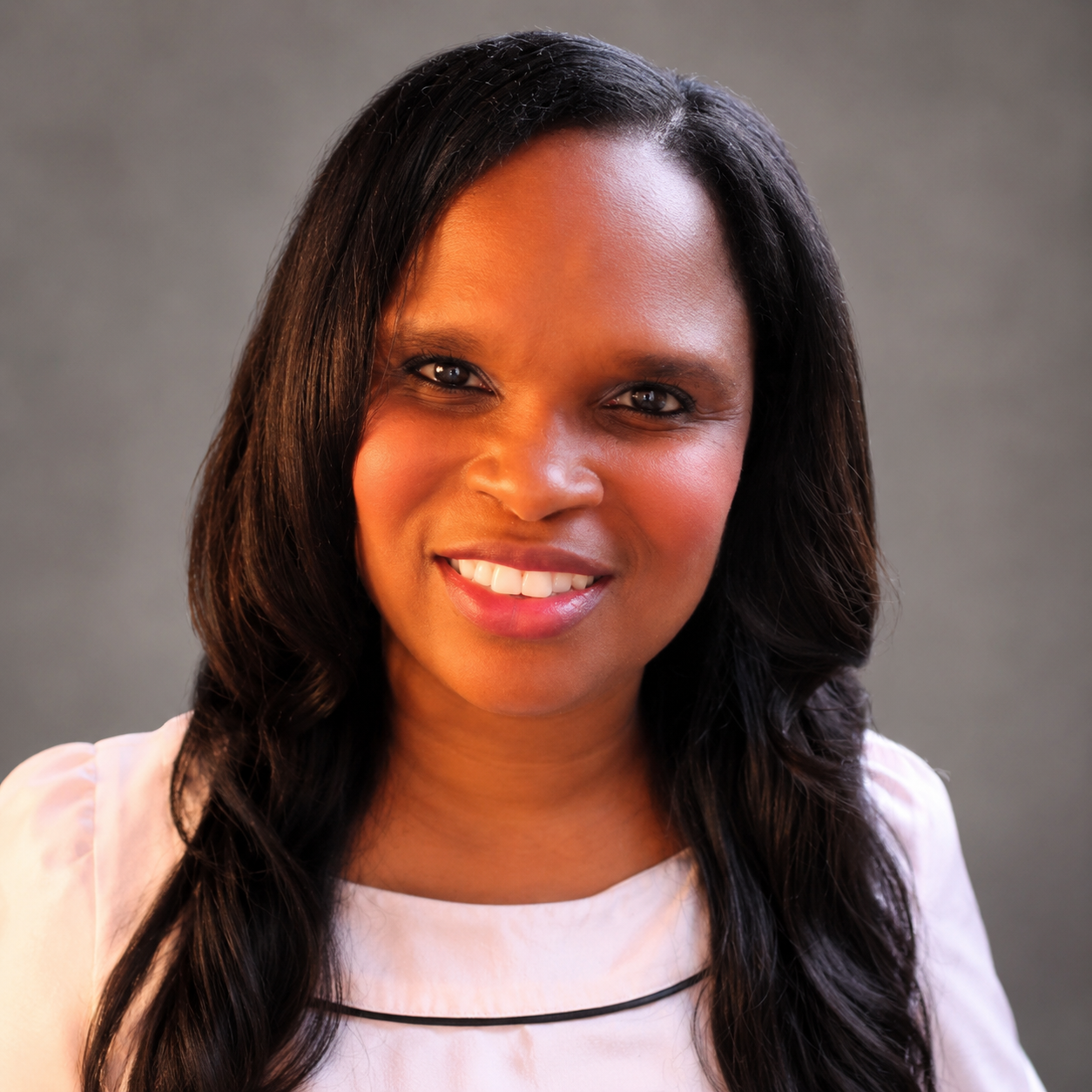
Dr. Petrina Yemane has worked as a therapist in mental health services in New York City, Virginia and Maryland for over 25 years. She is a Licensed Professional Counselor, who has worked with individuals, couples, families and groups. Dr. Yemane specializes in mental, emotional, and spiritual health. Dr. Yemane was educated at The City College of New York where she received her Master’s degree from the Colin Powell School of Leadership and Citizenship in Mental Health Counseling. She received her doctorate from Capella University’s accredited PhD program in the Studies of Advanced Human Behaviors. She has lived and worked abroad in East Africa for 2 years with Hope worldwide as a Mental Health Consultant and Aid Worker within an Orphanage, with local program for boys on the street, and at the Mental Hospital. Her dissertation on Resilience during the COVID-19 pandemic was published with the Library of Congress in 2024. She is also a published author of a poetry book “Art in its Written Form” and a book on resilience called “Becoming Superhuman.” She has been married for 27 years and has two amazing sons.
Other Information
Other episodes...