





Listen...
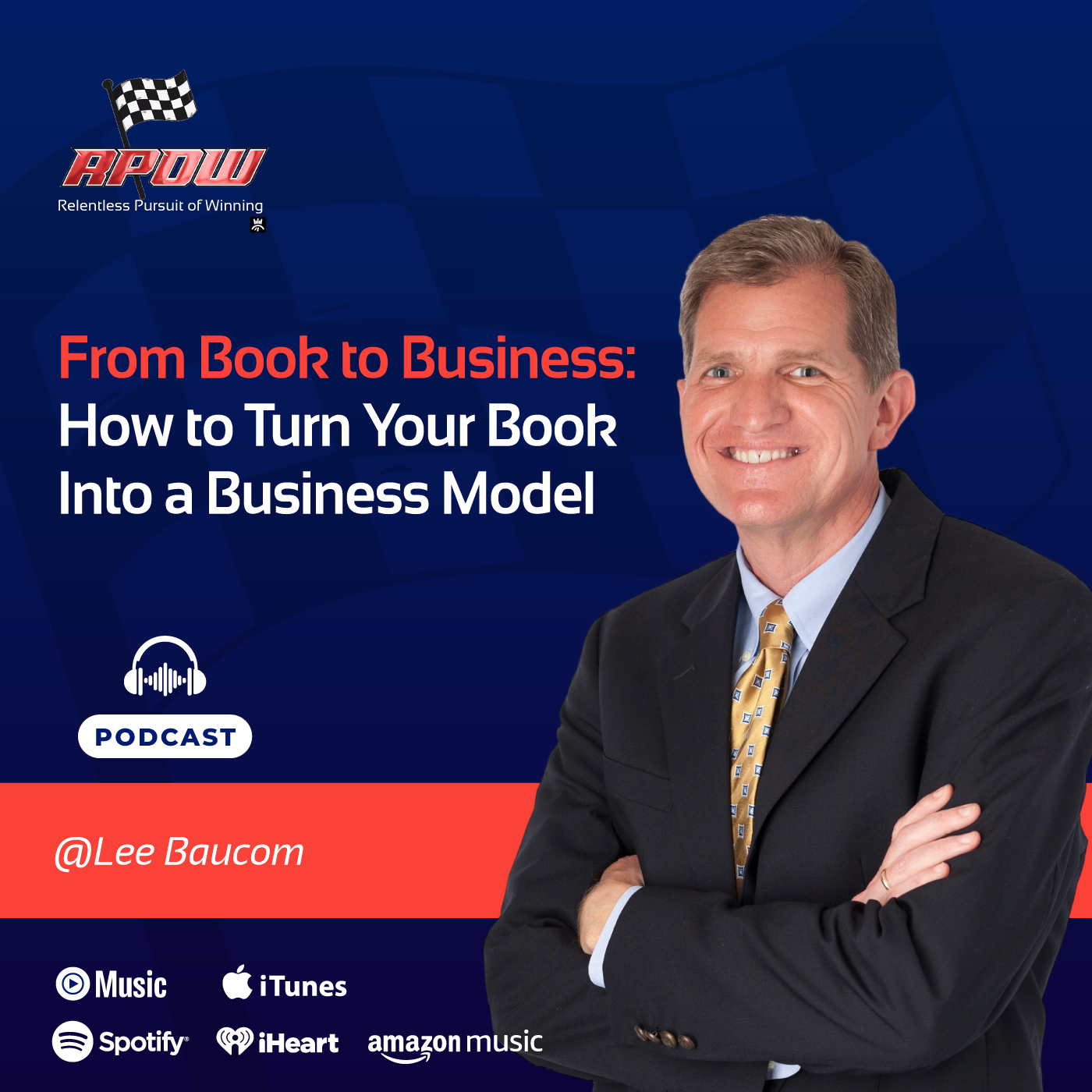
From Book to Business: How to Turn Your Book Into a Business Model
🔥 Excerpt
“The book creates funnels for the business. The book helps to clarify what that business would be.”
⚡ TL;DR
A book can become a foundation for a business when the author knows who the book is for, what problem it addresses, what framework it contains, and what the reader should be able to do next. Dr. Lee Baucom explains how authors can use a book to establish authority, clarify their approach, attract the right audience, create opportunities for services, and build a business that fits the way they actually want to work.
📄 Show Notes
A consultant finishes a book, sends it into the world, and waits. The book sells a few copies, perhaps earns some attention, and then sits quietly on a shelf while the business continues operating much as it did before.
Lee Baucom has seen that pattern repeatedly. His own experience led him somewhere different. His first book, published online in 1999, eventually became the backbone of a business that developed into coaching and work with people around the world. The realization took time because he initially viewed the book as a side income. Looking back, he sees the missed opportunity in not designing the business around the book from the beginning.
That idea sits at the center of the book to business model. The question is not simply whether someone can sell a book. It is what the book makes possible after someone has read it.
What should happen after someone reads your book?
A book needs somewhere to lead. Baucom looks for the framework inside an author’s thinking and asks what business can be built around it. A strong book can educate people in an approach, establish authority, and create a path toward services or other forms of engagement.
Who is the book actually for?
An author does not need a massive audience to build something meaningful. Baucom describes working with specialists whose potential market is narrow, where the value comes from reaching the right people rather than reaching everyone.
That makes audience definition part of the business model itself. The author needs to know who should recognize themselves in the book and what they need from the person who wrote it.
How does a book establish authority?
One example from Baucom’s work involved a consultant competing for a contract. When the prospective client asked why he should be selected, the consultant placed his book on the desk and explained that he had written the book on the subject. The book became tangible evidence of his approach and gave him a way to establish authority in the room.
What framework is hiding inside your expertise?
Many professionals already have a framework. They simply experience it as the way they naturally work.
Writing forces that process into view. The author has to explain the journey from the perspective of someone who does not already understand it. That exercise can clarify the author’s own thinking and give shape to a repeatable method that can eventually support a business.
What should the business look like after the book?
The answer needs to fit both the audience and the author. Baucom works with people providing coaching, consulting, therapy, training, speaking, and online programs. The format matters because building a business around work someone does not actually want to perform creates an unnecessary constraint.
How does the book bring the right people closer?
Baucom describes a book as both a funnel in and a funnel out. It can bring people into an author’s approach and also make clear who is unlikely to be a fit. He considers that useful because a strong point of view gives potential clients enough information to decide whether the author’s way of working fits what they need.
Where does AI belong in the writing process?
Baucom uses AI as a research assistant and thought partner. He gives it ideas and asks it to identify inconsistencies, missing points, and weaknesses in his thinking. The ideas and final approach remain his own.
His concern begins when AI becomes the author. In his view, the book needs to represent the person who will eventually deliver the work. Human editing still has an important place in a substantial book because the editor can engage with the author’s ideas, intent, and style.
What keeps the book and business moving?
Baucom returns to systems. He describes authors who write in short, intentional sessions and points to the difference between waiting for inspiration and creating a structure that makes the work happen. For him, systems provide the mechanism for sustained progress in writing, business, and life.
A book can carry an idea into the world. The business begins with understanding what that idea makes possible, who needs it, how the author wants to serve those people, and what needs to happen after the final page.
✅ Key Takeaways
- Define the business purpose before building the book around it.
- Identify the framework already embedded in your expertise.
- Know exactly who the book is intended to serve.
- Use the book to establish authority through a clear point of view.
- Design the next step for the reader before the book is finished.
- Build a business model that fits the way you actually want to work.
- Use AI to challenge and strengthen your thinking without surrendering authorship.
- Create systems that make writing and execution consistent.
👑 Host Info
Rick Meekins (rickmeekins.com) is a serial entrepreneur, strategic business disruption advisor, podcast guest, and host of The Relentless Pursuit of Winning Podcast, where he explores what it actually takes to build, lead, and sustain meaningful businesses. With over 30 years of experience working alongside founders and leadership teams, Rick focuses on helping companies develop and implement disruptive advantages and developing platforms to explore and distribute human insight.
Interested in working together, having Rick speak, or partnering with the show?
Start here: RPOW Podcast Contact
🧭 Chapters
00:00 Why the book is not the business
03:01 Writing as a vehicle for ideas
04:07 Finding the business inside the book
07:28 Turning readers into clients
09:34 Building authority through authorship
13:24 Finding the framework inside your expertise
18:07 Designing the reader journey
21:49 Choosing the right business model
23:47 Getting the book to the right audience
25:50 Reverse engineering the book
30:07 Building the business one step at a time
30:54 Using AI without losing authorship
36:37 Human editing and the writing process
38:27 Defining the purpose of the book
40:15 Systems for relentless pursuit
#booktobusiness #authorbusiness #businessstrategy #thoughtleadership #entrepreneurship #writing

Biography
Dr. Lee Baucom is a therapist turned coach, author, and business advisor who helps authors identify the frameworks within their books and develop the business opportunities those ideas can support. His work grew from decades of writing, coaching, and working with people around the world.
Through his Book to Business Blueprint, Lee helps authors create their businesses with intention. He shows them how to design clear pathways that turn readers into clients, customers, and long-term opportunities.
Other Information
Other episodes...