





Listen...
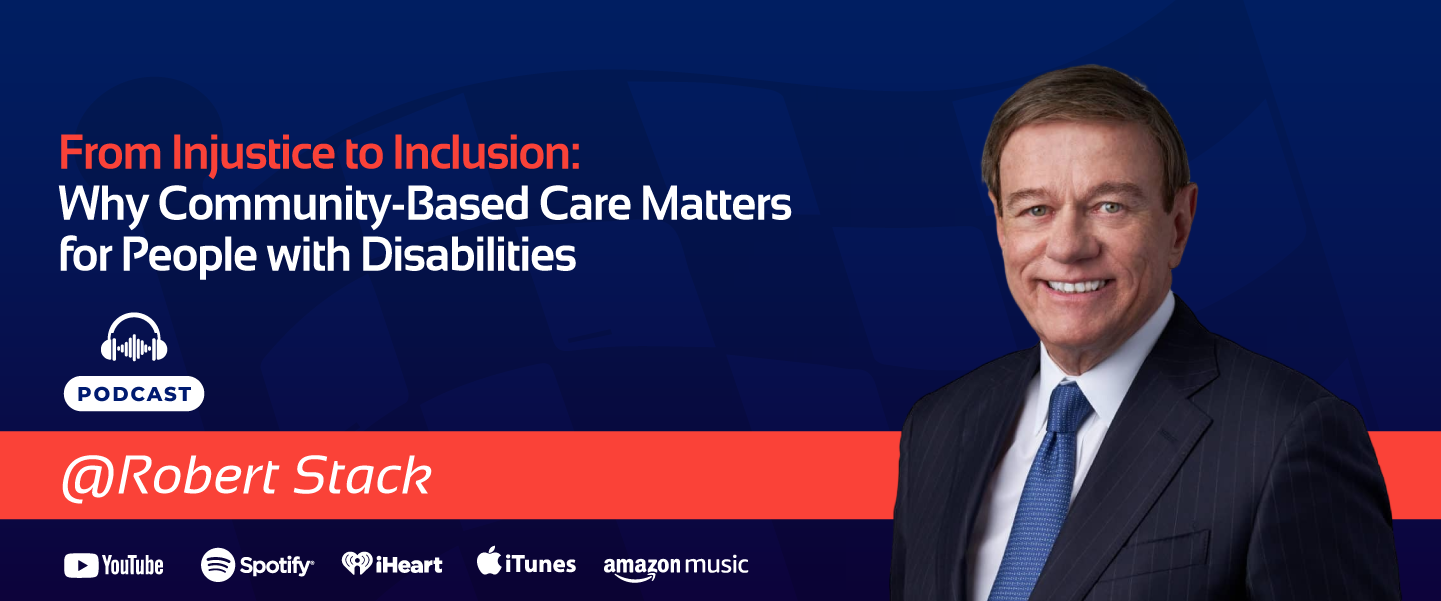
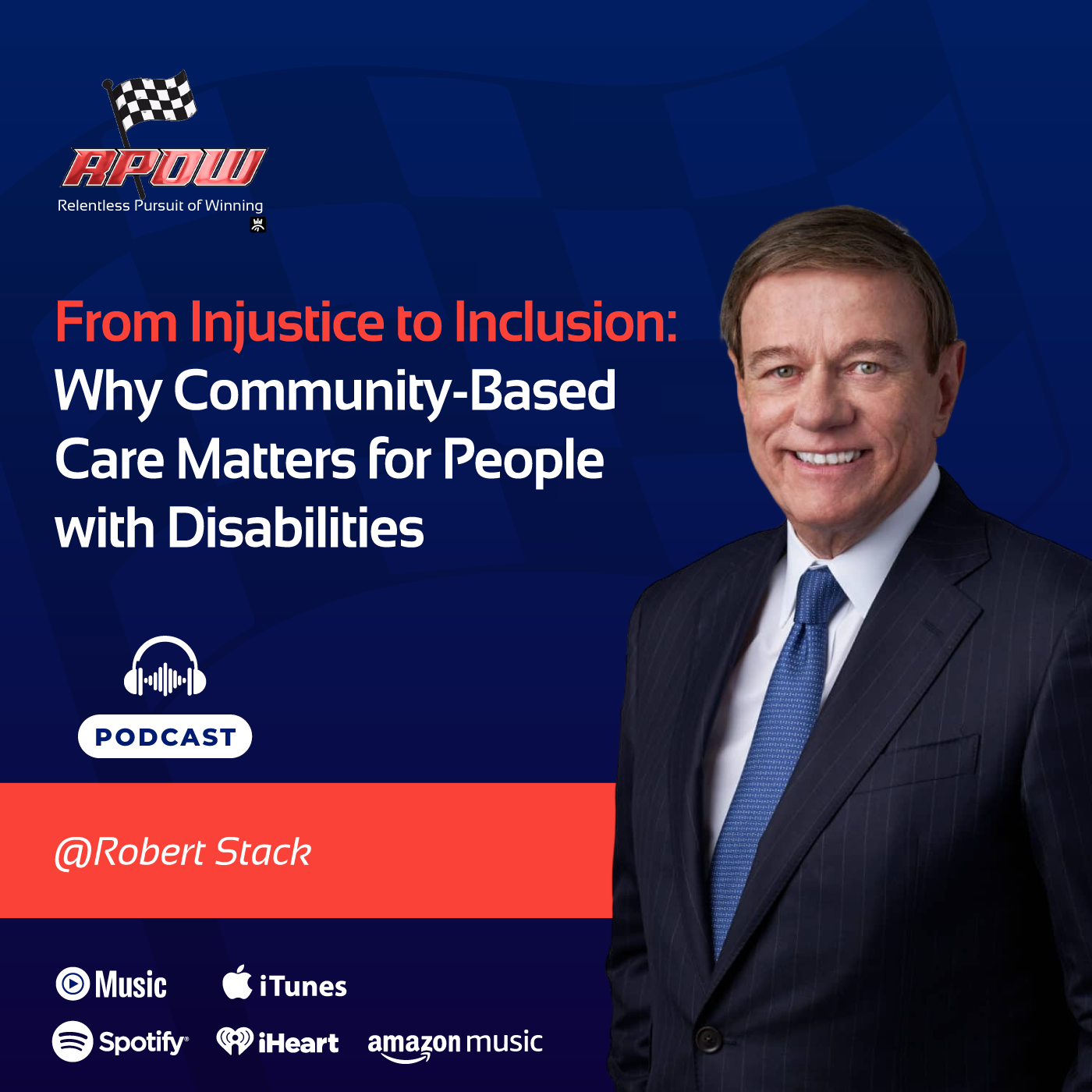
From Injustice to Inclusion: Why Community-Based Care Matters for People with Disabilities
🔥 Excerpt
“Sometimes the most important business decisions come from moral outrage.”
⚡ TL;DR
Robert Stack shares how a deep sense of purpose led him to build Community Options into a major organization centered on community-based care for people with disabilities. In this conversation, he reflects on the early risks, operational lessons, and long-term mission that shaped his work, while also explaining why dignity, inclusion, and support for people with disabilities must be at the center of care.
📄 Show Notes
Some stories begin with ambition. Robert Stack’s began with injustice.
What he saw in the treatment of people with disabilities led him to take action, and that action eventually became
Community Options, an organization he founded with limited resources but a clear and urgent mission. What started in a small row home grew into a large-scale nonprofit focused on community-based care, housing, employment, and support for people with disabilities.
Community based care is often viewed through the lens of healthcare policy or government funding. Its real significance is far more personal.
The way a society supports people with disabilities reflects how it defines dignity, opportunity, and belonging. Systems built around convenience or institutional efficiency may provide services, but they can unintentionally separate people from their families, neighborhoods, and the everyday experiences that create meaningful lives.
Robert Stack argues that community based care begins with a different assumption. Rather than asking where services should be delivered, it asks how people can remain connected to the communities where they live, work, and build relationships.
When care is centered within the community, individuals gain more than access to support. They gain opportunities to make choices, develop independence, contribute their talents, and participate in everyday life alongside others. The focus moves beyond managing disability toward enabling possibility.
The conversation also addresses the responsibility shared by leaders, organizations, and policymakers. Building inclusive communities requires more than compliance with regulations. It demands intentional systems that remove barriers, create accessible opportunities, and recognize that every individual deserves to participate fully in society.
Another important theme is the relationship between inclusion and human potential. Too often, disability services concentrate on limitations rather than capabilities. Community based care challenges that perspective by creating environments where people are supported according to their unique strengths, aspirations, and goals.
Robert also emphasizes that meaningful change is sustained through relationships. Families, caregivers, nonprofit organizations, businesses, educators, and local communities all play essential roles in creating support systems that extend beyond formal programs. Lasting inclusion cannot be achieved by one institution alone.
In this conversation, Robert traces the journey from idea to impact. He speaks candidly about the financial risk, the lack of formal experience, and the relentless problem-solving required to build something sustainable from the ground up. His story is not just about founding an organization — it is about creating a system that could carry a mission forward at scale.
His book, Silent No Longer, extends the message even further. It is both a personal account and a public call to rethink disability, challenge outdated systems, and honor the humanity of people who have too often been overlooked. In many ways, the book functions as an extension of the same conviction that launched Community
Options in the first place.
This episode is a powerful reminder that meaningful impact is rarely accidental. It is built through clarity, persistence, and the courage to keep going when the work is difficult.
✅ Key Takeaways
- Community-based care can create more dignity and independence for people with disabilities.
- Purpose can become the foundation for lasting institutional change.
- Building a mission-driven organization still requires strong systems.
- Disability advocacy should center inclusion, respect, and real community life.
- Scaling impact requires both conviction and operational discipline.
- A book can extend a founder’s mission beyond the organization itself.
- Real change often starts with one person refusing to accept injustice.
👑 Host Info
Rick Meekins is a serial entrepreneur, strategic business disruption advisor, podcast guest, and host of The Relentless Pursuit of Winning Podcast, where he explores what it actually takes to build, lead, and sustain meaningful businesses. With over 30 years of experience working alongside founders and leadership teams, Rick focuses on helping companies develop and implement disruptive advantages and developing platforms to explore and distribute human insight.
Interested in working together, having Rick speak, or partnering with the show? Start here:
https://rpowpodcast.com/contact/
🧭 Chapters
00:00 Welcome and introduction
01:27 Robert’s background and mission
03:30 Moral outrage as the catalyst
08:51 Early strategy and institutional reform
12:28 Choosing the nonprofit model
17:53 Funding homes and services
24:36 Managing tragedy and resilience
27:01 Expanding into Pennsylvania and beyond
31:40 Disability, loneliness, and relationships
33:45 Breaking stigma around disability
36:22 Introducing Silent No Longer
39:38 What Robert wants readers to do
41:05 How to connect with Community Options

Biography
Robert Stack is the founder and CEO of Community Options and a lifelong advocate for individuals with intellectual and developmental disabilities. With more than 40 years of experience, he has played a key role in advancing the shift from institutionalization to community-based living, employment, and independence. He began his career as a civil servant in 1980, helping lead efforts to close large institutions and transition individuals into community settings. In 1989, he founded Community Options, which today supports more than 7,000 individuals across 12 states.
He is also the author of the national best-selling book Silent No Longer, where he addresses critical challenges in the disability services system, including the growing influence of private equity in care organizations and its impact on quality and accountability. Drawing on decades of experience, Robert shares insights and advocates for a more compassionate, person-centered approach to supporting individuals with disabilities.
Other Information
Additional Resources
- 🌸 Vaseful Flowers – Floral design and gifting inspiration
www.vaseful.com - 🧠 Presents of Mind – Resources promoting inclusion and opportunities for people with disabilities
www.presentsofmind.org - 📚 Robert Stack – Author Website – Learn more about Robert, his books, and his work
www.robertstack.org - 📅 Daily Plan It – Planning tools designed to support independence and daily living
www.dailyplanit.org
Other episodes...