





Listen...
Entrepreneurial Resilience: Daily Habits to Stay Grounded in Chaos David Fullmer
🔥 Excerpt
“The battle is to live in the chaos, but not be of the chaos.”
⚡ TL;DR
David Fullmer shares how business setbacks, personal challenges, and rebuilding shaped his approach to entrepreneurial resilience. He introduces B7, a weekly rhythm of motivation, reflection, gratitude, forgiveness, meaningful experiences, and faith, designed to make personal development a consistent practice rather than an occasional burst of inspiration.
📄 Show Notes
A problem at work can follow you home long after the conversation ends. You replay what happened, worry about what comes next, and find yourself reacting to your family with the same tension you carried through the day.
David Fullmer’s approach to resilience starts with recognizing that difficult circumstances are not always avoidable.
The work is learning how to respond without allowing every disruption to determine your mood, decisions, and relationships.
What did rebuilding teach David about entrepreneurial resilience?
David’s journey includes a difficult childhood, a period of homelessness, bankruptcy, and later business challenges that required him to rebuild again. Those experiences prompted him to examine what helped him recover and how he behaved when he felt more grounded.
He also draws on the example of his mother, who worked multiple jobs while raising her children. Her ability to show love, maintain a positive outlook, and keep going through difficult circumstances left a lasting impression on him.
Over time, David began organizing the practices he found useful into B7, the weekly framework featured in his book, Becoming Seven.
Why is motivation alone not enough?
David describes a time when he moved between seminars, books, and other sources of inspiration, feeling energized but struggling to maintain that momentum.
In B7, motivation has a place, but it is not expected to carry the whole week. Monday becomes a time to reconnect with purpose, while the remaining days direct attention toward other practices.
His emphasis is on having a routine to return to when enthusiasm changes, rather than waiting to feel inspired before doing the work.
What does the B7 weekly rhythm include?
David assigns a different focus to each day:
- Motivation Monday: Reconnect with your purpose and what you want to work toward.
- Tracking Tuesday: Notice your thoughts, habits, communication, and behavior.
- Whisper Wednesday: Make room for quiet, reflection, and listening to your own judgment.
- Thankful Thursday: Recognize the people, resources, and opportunities already available to you.
- Forgiveness Friday: Examine resentment, mistakes, and the experiences you are still carrying.
- Satisfaction Saturday: Spend time enjoying life and creating meaningful experiences with people you love.
- Supplication Sunday: Practice humility and, in David’s faith-based approach, seek guidance through prayer.
B7 is David’s personal-development framework. Its structure gives him a simple reminder to revisit different parts of his life throughout the week.
How can founders become more aware of their reactions?
Tracking Tuesday centers on noticing what is happening internally as well as externally. David describes examining his thoughts and asking which reflect the situation accurately and which may be assumptions.
He also considers how he communicates with family members and the people around him. The point is to notice patterns rather than allow familiar reactions to go unquestioned.
For a founder, that creates a useful pause between encountering a problem and deciding what to do about it.
Why make time for quiet when the business is busy?
David uses Whisper Wednesday to step away from constant digital input and make space for reflection. For him, that often means spending time outdoors and allowing himself to think without immediately moving into another meeting or task.
He connects that practice with the responsibility of leadership. Decisions affect employees and the families who depend on them, so he wants to approach those choices with attention rather than continual distraction.
His routine is personal, but the underlying question is practical: where in the week is there room to think, rather than only respond?
How does gratitude fit into solving business problems?
David uses gratitude to redirect attention toward what is available. When something goes wrong, he wants to consider the resources, people, experience, and options he can still work with.
That does not remove the difficulty. It gives him a different starting point for responding to it.
Thankful Thursday is his reminder to recognize those resources deliberately, rather than noticing them only after the pressure has passed.
What does forgiveness mean after a difficult business experience?
David speaks openly about betrayal and financial losses involving people close to him. He makes a distinction between releasing resentment and restoring the same business relationship.
In his account, forgiveness does not mean forgetting what happened or deciding to work together again. He describes trying not to let those experiences govern every later interaction or damage relationships he still values.
He also includes self-forgiveness: acknowledging mistakes without continually defining yourself by them. He presents this as part of his own growth, not as an obligation for others to reconcile with someone who harmed them.
How can ambition leave room for a meaningful life?
Satisfaction Saturday brings attention back to the experiences David wants his work to support. Travel, surfing, family time, and shared memories matter to him alongside building businesses.
His point is not to abandon ambition. It is to avoid postponing every meaningful experience until a future milestone.
The same perspective shapes his desire to help others. He describes finding genuine satisfaction in another person’s progress and wanting his work to create opportunities beyond his own success.
What role does faith play in David’s resilience?
Faith is an explicit part of David’s framework. Supplication Sunday centers on humility, prayer, and recognizing that he does not have to approach every challenge as though he has all the answers.
He draws a parallel with Brazilian jiu-jitsu, where years of training have repeatedly required him to acknowledge limits and learn from others.
For David, resilience includes effort and responsibility, but also the willingness to ask for guidance and remain teachable.
✅ Key Takeaways
- Resilience includes learning how to respond when circumstances remain difficult.
- Motivation can initiate action, but a recurring practice gives you something to return to.
- Notice thoughts and assumptions before allowing them to direct decisions.
- Review how business pressure affects communication at home and at work.
- Create space for reflection rather than filling every available moment with input.
- Consider the resources you still have when working through a problem.
- Forgiveness and renewed trust are not the same decision.
- Acknowledge mistakes without making them your entire identity.
- Make room for family, personal interests, and meaningful experiences.
- Treat humility and asking for guidance as part of leadership.
🧭 Chapters
01:33 David Fullmer’s entrepreneurial journey
03:17 Early adversity and the foundations of resilience
07:46 Losing a business and rebuilding
09:18 The origins of the B7 rhythm
13:12 Daily disciplines and the flow state
16:18 How emotional states influence decisions
21:51 Finding value in chaos
24:22 Staying calm under pressure
26:32 The seven attributes of B7
31:02 Gratitude as a leadership practice
33:19 Forgiveness and the weight of resentment
38:51 Four areas where forgiveness matters
41:25 Satisfaction, family, and meaningful moments
43:56 Supplication and spiritual grounding
47:32 Closing reflections
#EntrepreneurialResilience #EntrepreneurMindset #DailyHabits #PersonalDevelopment #RPOWPodcast #RelentlessPursuitOfWinning
Biography
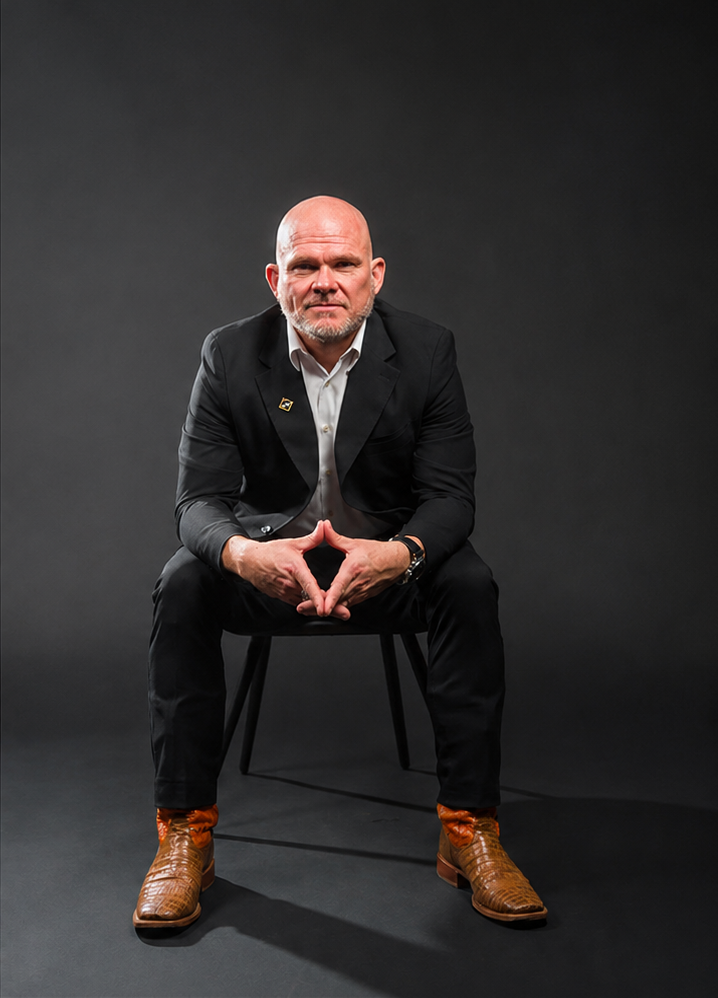
David Fullmer is an entrepreneur, author, speaker, and creator of the B7 Superhuman Rhythm featured in Becoming Seven. Based in Hawaii, he operates multimillion-dollar commercial roofing businesses across 19 states, co-founded Ox Superfoods, and advises growing companies.
He has trained thousands of sales professionals, supported individuals and young people in pursuing their goals, and provided free roofs to families in need.
🔗 Connect with David
https://www.instagram.com/becomesevenofficial/
https://www.davidfullmer.com
https://www.youtube.com/@davidfullmerofficial
https://www.linkedin.com/in/david-fullmer-3650b04a/
Giveaway
🎁 Free Digital Copy of Becoming Seven
David Fullmer is offering listeners a free digital copy of Becoming Seven, which introduces his B7 weekly rhythm for reflection, gratitude, forgiveness, meaningful experiences, and faith.
How to Request Your Copy
- Find David’s “David Fullmer Official” account on Instagram.
- Send a direct message requesting the free book.
- His team will send a link and instructions to access your digital copy.

Other Information
Other episodes...